Material Handling Library
AnyLogic, with its dedicated library, is the leading material handling software. Build high-fidelity simulation models and digital twins to analyze and optimize manufacturing and material handling systems of any complexity.
Learn more about this library, and get our material handling pack of related materials!
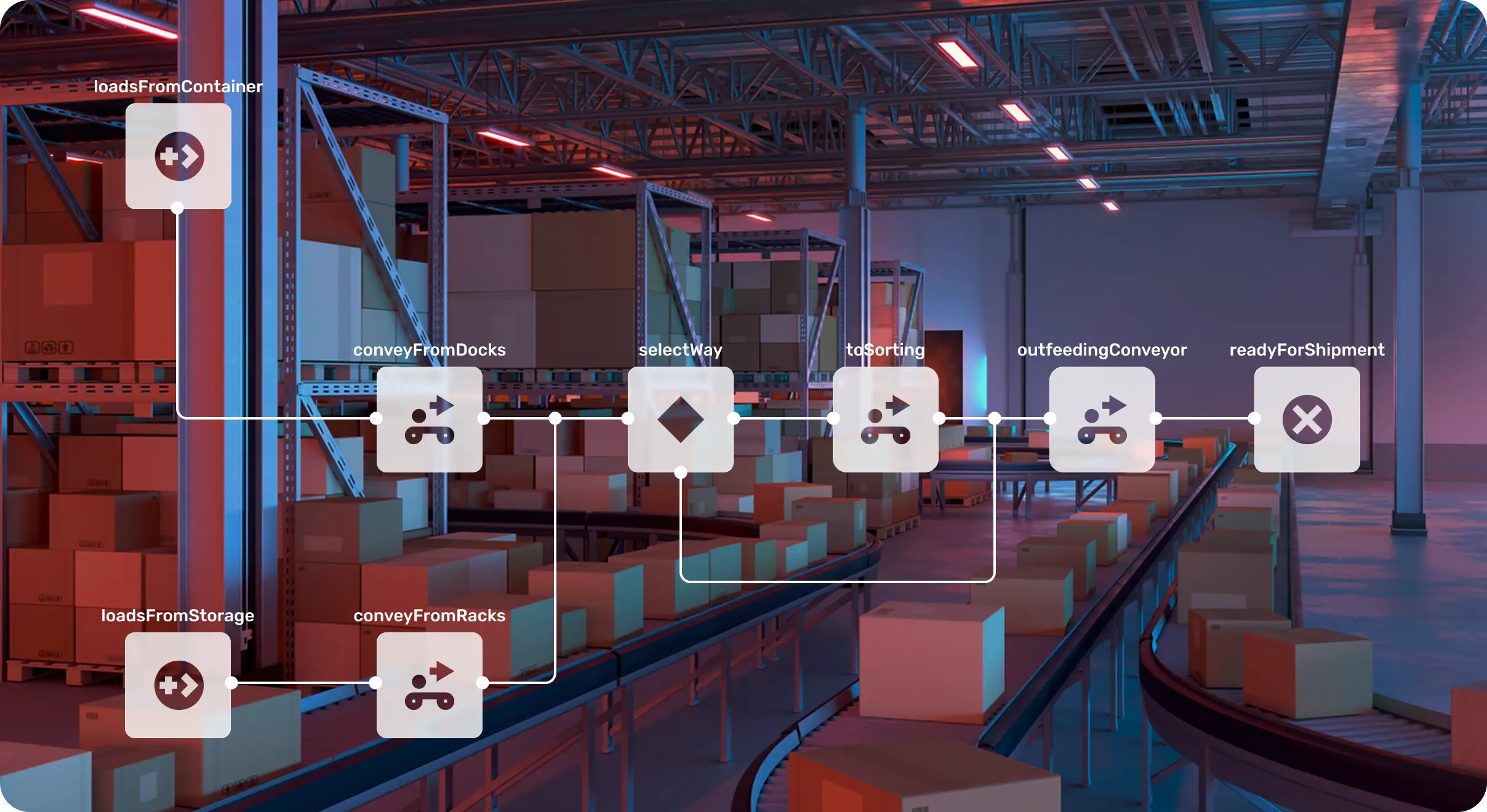
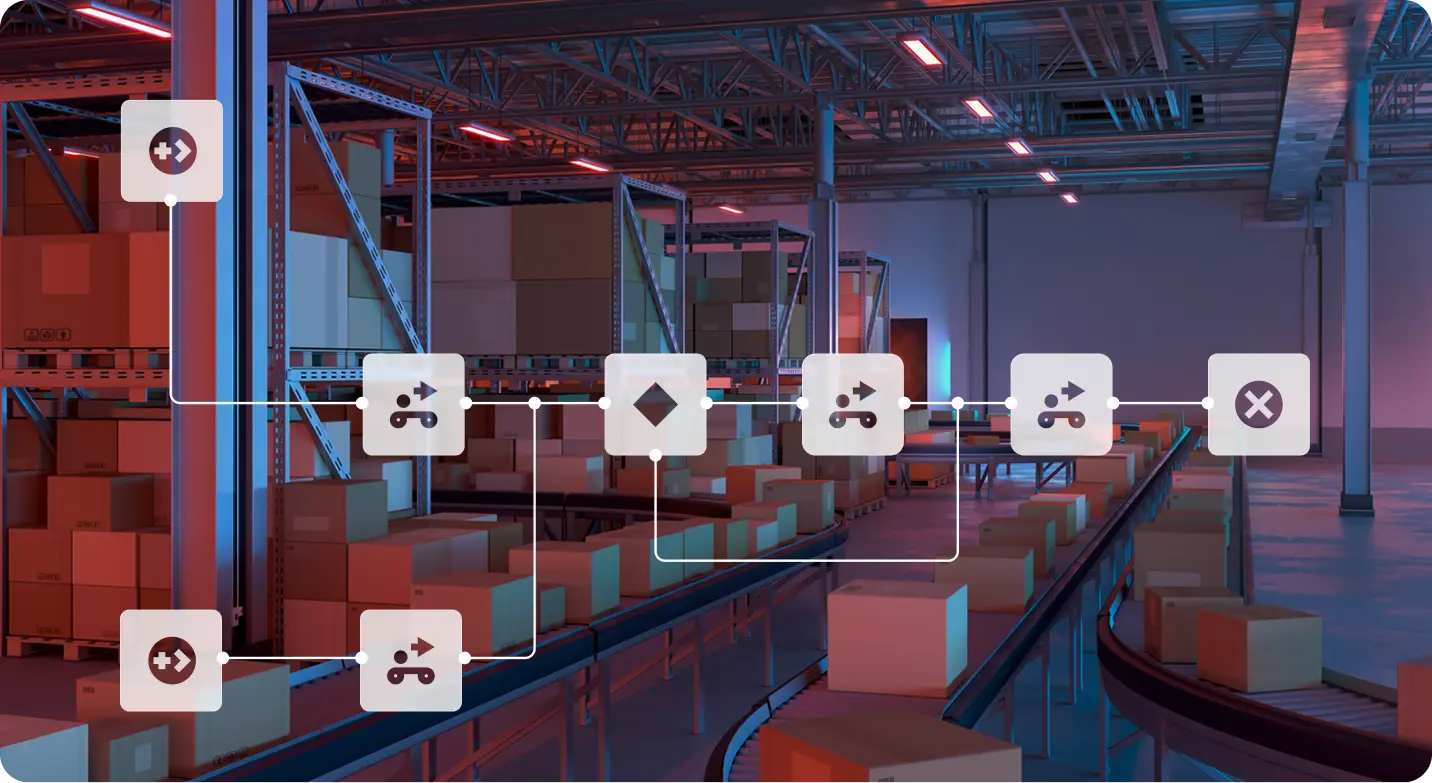
Design and Optimize With Manufacturing Simulation Software
Drive measurable performance improvements across manufacturing and warehouse operations with material handling software.

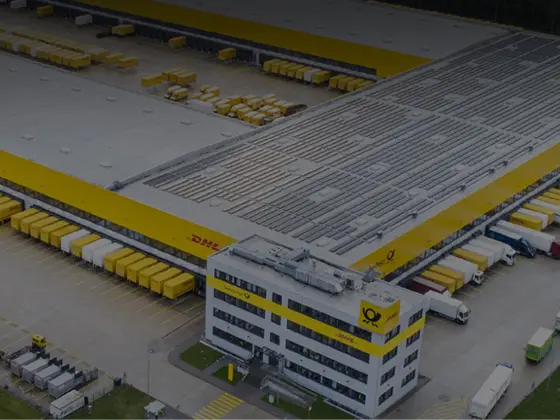






Manufacturing Simulation Software: Simulate Real Operations in Risk-Free Environment
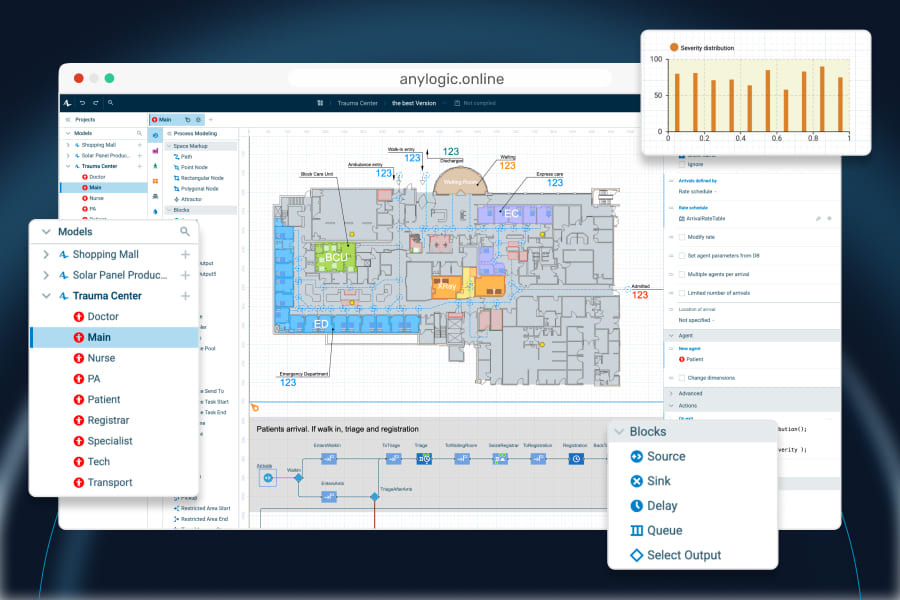
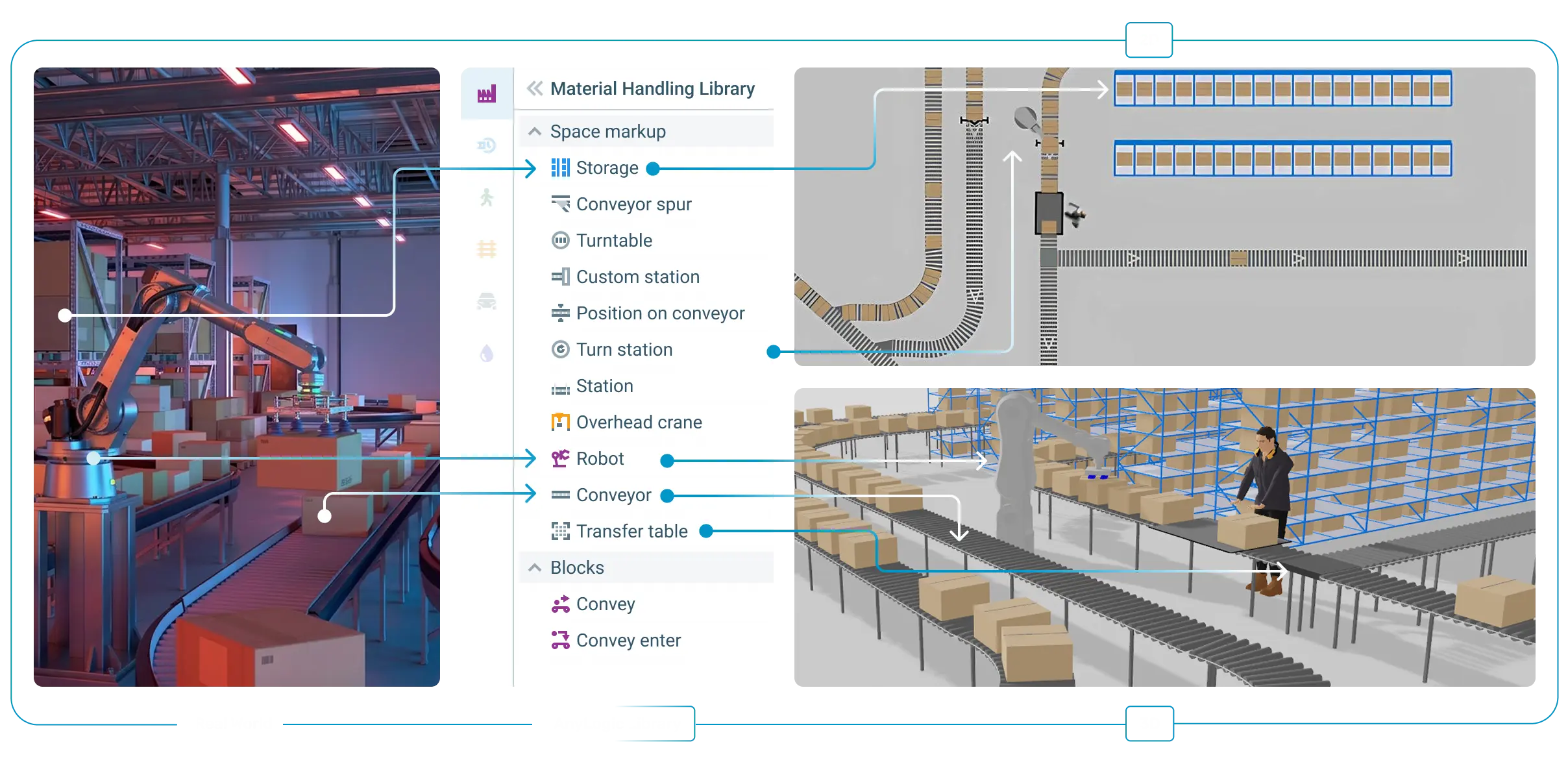
Build simulation models and digital twins, mapping real material handling systems in AnyLogic with drag-and-drop library elements. Build the logic, check 2D scenes, and bring them to life in 3D.
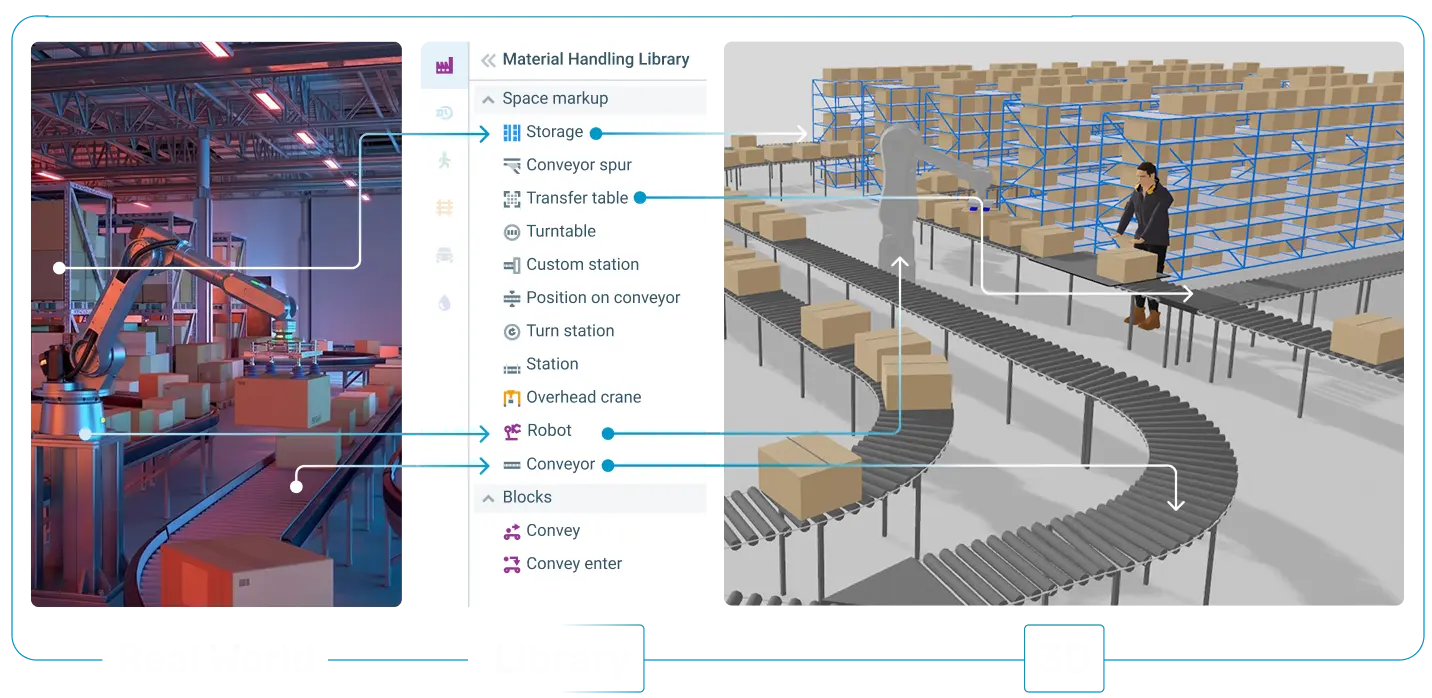
Solve Any Manufacturing and Material Handling Problems
Material handling software empowers you to model and optimize every aspect of your factory and warehouse operations—from equipment layout to workforce utilization.

Allocate factory resources, including staff and equipment, to avoid bottlenecks and provide simulation-based scheduling.

Predict system behavior and analyze costs in case of breakdowns.

Evaluate site and factory layout alternatives to increase shop floor performance.

Manage AGV fleets efficiently and understand their interaction with conveyors, manufacturing machines, and operators, as well as routing and obstacle awareness.

Improve robotic arm operations, evaluating task execution and integration within the production environment.

Optimize warehouse processes, including conveyor and mobile robot operations, incorporating real system data.
Why AnyLogic as a Material Handling Software?
AnyLogic empowers manufacturers to turn data into action: faster decisions, lean operations, and measurable productivity gains, all in one simulation platform.
Digital twin implementation
Create dynamic, data-connected digital twins of your operations to monitor real-time performance, anticipate future states, test decisions, and continuously optimize outcomes. Digital twins in AnyLogic provide you with a virtual playground for exploring possible future scenarios.
Learn more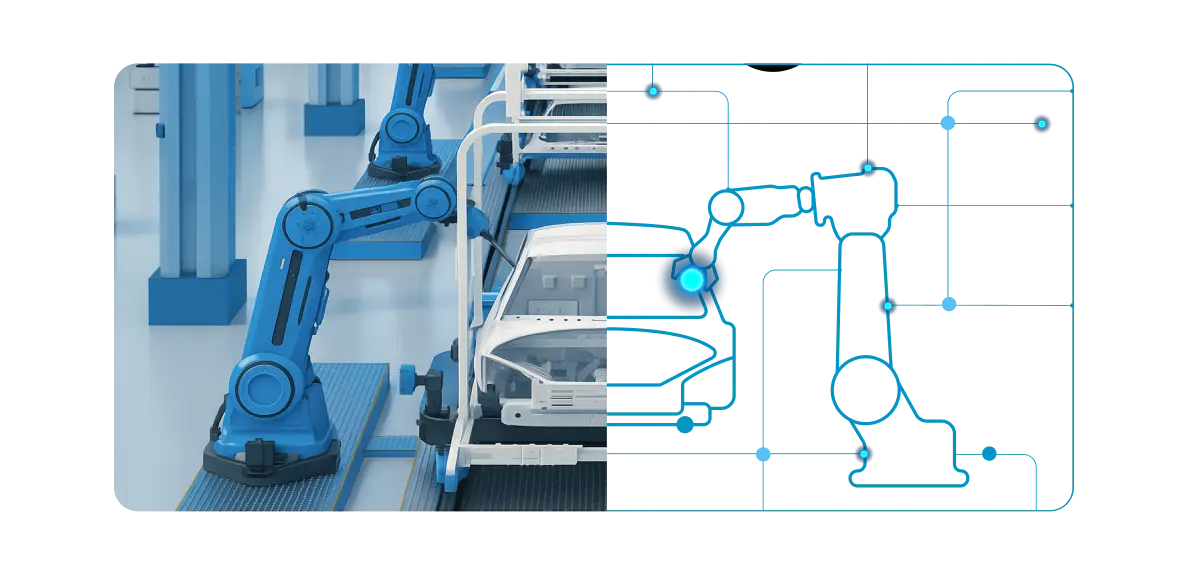
Cloud deployment
Run, share, and scale your simulations in the Cloud, publicly or privately. Our Cloud platform supports parallel execution, collaborative modeling, and seamless API access to integrate with enterprise systems and build custom applications around your models. AnyLogic is the only simulation vendor with a fully functional Cloud solution.
Learn moreEnterprise simulation
Turn simulation into a core enterprise capability. Embed simulation models directly into business processes, connecting them with enterprise systems such as ERP, CRM, and BI tools.
Learn more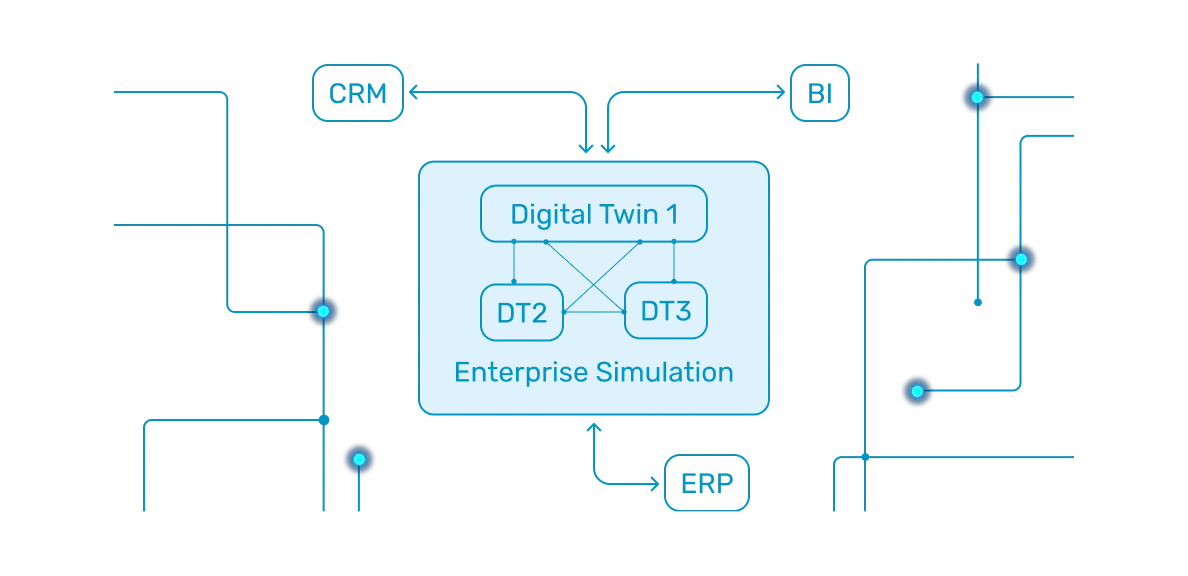
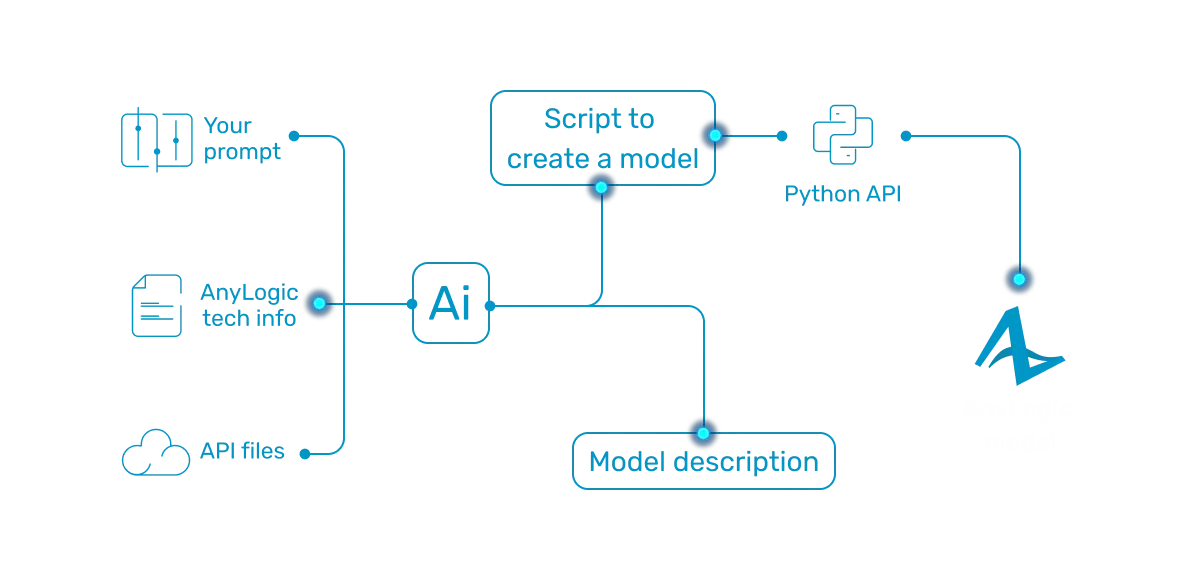
Simulation + AI
Enhance your models with AI capabilities. Use simulation to generate synthetic data, apply reinforcement learning models, and use an AI-driven assistant to help you build simulation models.
Learn moreOpen simulation platform
Connect, extend, and integrate without limits. AnyLogic is designed as an open platform that seamlessly integrates with your existing technology stack, data sources, and enterprise systems.
Learn more

Choose your 3D level of detail
Make your models as detailed as you like. Benefit from AnyLogic’s built-in 3D capabilities. When needed, use the official AnyLogic-NVIDIA Omniverse integration that allows simulation modelers to create photorealistic animation.
Learn moreMultimethod simulation
Model any manufacturing or warehouse systems and processes efficiently, without compromise. Combine main simulation methods and different AnyLogic libraries in unified models and switch seamlessly between different levels of abstraction.
Learn more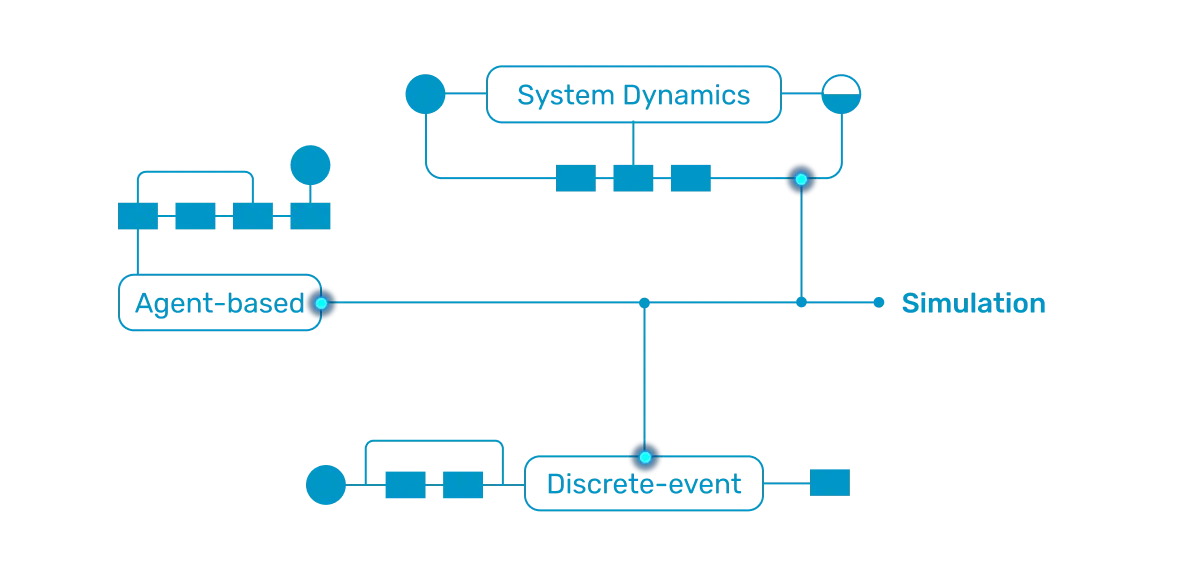
Discover and Combine AnyLogic Libraries
AnyLogic provides you with six built-in libraries for the most popular domains and use cases. Combine their intuitive drag-and-drop elements to accurately model the logic, constraints, and dynamics of your real-world systems. All within a single simulation environment.
Back to overview
 Process Modeling Library
To model operational workflows across industries


 Fluid Library
To reflect systems involving bulk materials and fluid flows


Explore Models Built With Material Handling Library
The Transporters Moving in Free Space model is one of many examples demonstrating how the library can help simulate real-world manufacturing and logistics processes.
Explore how free-space navigation, collision avoidance, and intelligent routing can be simulated, along with performance metrics such as vehicle utilization and waiting times.
Material Handling Software
in Action: Industry Examples
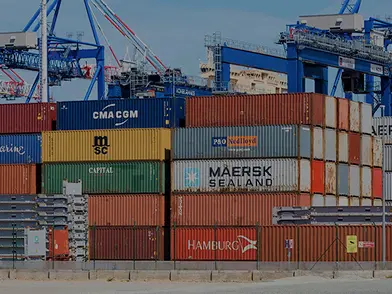
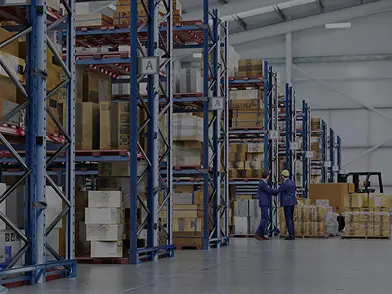
See how material flow simulation is transforming real operations. From manufacturing to warehousing, businesses use AnyLogic to eliminate bottlenecks, improve throughput, optimize schedules, and much more.








Take a Closer Look at
Material Handling Software
Check out our blog posts, how-to videos, on-demand webinars, release announcements, and other materials to see the impact of manufacturing simulation software and best practices in action.
Fundamentals of the AnyLogic material handling library
Watch the webinar
Advanced robot control and enhanced storage systems in AnyLogic
Watch the release video
Improving warehouse efficiency: how to optimize operations
Read the blog post
More about the material handling library
Access AnyLogic Help
The future of smart manufacturing: why digital twins matter
Read the blog post
All about material handling simulation
Get the white paperWant to Improve Material
Handling Processes?
Download the free AnyLogic Personal Learning Edition and see how you can resolve complex challenges and increase efficiency with the leading simulation software.
Want to Improve Material Handling Processes?
Download the free pack with related materials to learn more about this library and see how you can resolve complex challenges and increase efficiency with the leading simulation software.
FAQs About Material Handling Software
Material handling software is a tool used to model, analyze, and optimize the movement of materials, components, and finished goods within manufacturing, warehousing, and logistics systems. It helps organizations visualize processes, test scenarios, and improve operational performance before implementing changes in the real world.
The best simulation software depends on your goals, industry, and system complexity. For material flow and manufacturing, the ideal solution should support discrete-event and agent-based modeling within one platform. AnyLogic is an ideal choice for manufacturers. It combines flexibility, scalability, and ease of use, enabling you to model complex operations, test scenarios, and make data-driven decisions with confidence.
By creating a dynamic model of your operations, simulation reveals bottlenecks, resource constraints, and underutilized capacity. You can test layout changes, automation strategies, staffing levels, and scheduling policies to identify the most efficient configuration without disrupting actual operations.
Industries such as manufacturing, retail, e-commerce, automotive, steel production, pharmaceuticals, and distribution centers commonly use material simulation to optimize internal logistics, warehouse operations, and production flows.
Yes. Simulation allows you to validate capital-intensive decisions, such as new equipment, robotics, conveyors, or facility expansions, before committing resources. This reduces uncertainty and supports data-driven investment planning.